Fuel temperature sensor: function and failure symptoms


A fuel temperature sensor is a component in a vehicle’s fuel system that monitors the temperature of the fuel. It plays a crucial role in ensuring the proper operation and performance of the engine. Here’s an explanation of its function and common failure symptoms:

Function:

The primary function of a fuel temperature sensor is to measure the temperature of the fuel as it flows through the fuel system. The sensor typically consists of a temperature-sensitive element, often a thermistor, and it is connected to the vehicle’s engine control unit (ECU) or engine management system. The ECU uses the data from the fuel temperature sensor to make real-time adjustments to the engine’s air-fuel mixture, ignition timing, and other parameters to optimize engine performance and emissions. Here’s how it works:

  1. Optimizing Combustion: Fuel temperature can affect the vaporization and combustion characteristics of the fuel. Colder fuel may not vaporize efficiently, leading to incomplete combustion, while overly hot fuel can cause knocking and poor performance. The sensor provides information to the ECU so that it can make adjustments for optimal combustion.
  2. Cold Start Enrichment: The sensor’s data is crucial during cold starts. Cold fuel needs a richer air-fuel mixture for efficient combustion. The ECU uses the fuel temperature data to adjust the mixture for cold start conditions.
  3. Emissions Control: Monitoring fuel temperature also aids in reducing emissions. By adjusting the air-fuel mixture based on fuel temperature, the engine can produce fewer pollutants.

Failure Symptoms:

When a fuel temperature sensor fails or malfunctions, it can lead to various issues, including:

  1. Poor Fuel Economy: A faulty fuel temperature sensor may provide inaccurate data to the ECU, leading to an incorrect air-fuel mixture. This can result in decreased fuel efficiency and poor gas mileage.
  2. Rough Idling: Incorrect fuel temperature data can cause the engine to idle roughly or even stall.
  3. Engine Performance Problems: The sensor’s failure may lead to reduced engine power, acceleration issues, or an overall decrease in performance.
  4. Check Engine Light (CEL): A malfunctioning fuel temperature sensor can trigger a check engine light (CEL) and store diagnostic trouble codes (DTCs) related to the sensor’s performance.
  5. Cold Start Issues: During cold starts, the engine may have difficulty starting or may not run smoothly if the sensor is not providing accurate data for cold start enrichment.
  6. Emissions Problems: A malfunctioning fuel temperature sensor can result in increased emissions, potentially causing a vehicle to fail emissions tests.
  7. Detonation or Knocking: Inaccurate fuel temperature data can lead to engine knocking or detonation, which can damage the engine if not addressed.

If you experience any of these symptoms or suspect a problem with the fuel temperature sensor, it’s advisable to have the sensor tested and, if necessary, replaced by a qualified mechanic. They can use diagnostic equipment to assess the sensor’s performance and ensure that it is providing accurate data to the engine control unit. Replacing a faulty sensor can help restore proper engine operation and efficiency.


Fuel temperature sensor: function and failure symptoms


A fuel temperature sensor is a component in a vehicle’s fuel system that monitors the temperature of the fuel. It plays a crucial role in ensuring the proper operation and performance of the engine. Here’s an explanation of its function and common failure symptoms:

Function:

The primary function of a fuel temperature sensor is to measure the temperature of the fuel as it flows through the fuel system. The sensor typically consists of a temperature-sensitive element, often a thermistor, and it is connected to the vehicle’s engine control unit (ECU) or engine management system. The ECU uses the data from the fuel temperature sensor to make real-time adjustments to the engine’s air-fuel mixture, ignition timing, and other parameters to optimize engine performance and emissions. Here’s how it works:

  1. Optimizing Combustion: Fuel temperature can affect the vaporization and combustion characteristics of the fuel. Colder fuel may not vaporize efficiently, leading to incomplete combustion, while overly hot fuel can cause knocking and poor performance. The sensor provides information to the ECU so that it can make adjustments for optimal combustion.
  2. Cold Start Enrichment: The sensor’s data is crucial during cold starts. Cold fuel needs a richer air-fuel mixture for efficient combustion. The ECU uses the fuel temperature data to adjust the mixture for cold start conditions.
  3. Emissions Control: Monitoring fuel temperature also aids in reducing emissions. By adjusting the air-fuel mixture based on fuel temperature, the engine can produce fewer pollutants.

Failure Symptoms:

When a fuel temperature sensor fails or malfunctions, it can lead to various issues, including:

  1. Poor Fuel Economy: A faulty fuel temperature sensor may provide inaccurate data to the ECU, leading to an incorrect air-fuel mixture. This can result in decreased fuel efficiency and poor gas mileage.
  2. Rough Idling: Incorrect fuel temperature data can cause the engine to idle roughly or even stall.
  3. Engine Performance Problems: The sensor’s failure may lead to reduced engine power, acceleration issues, or an overall decrease in performance.
  4. Check Engine Light (CEL): A malfunctioning fuel temperature sensor can trigger a check engine light (CEL) and store diagnostic trouble codes (DTCs) related to the sensor’s performance.
  5. Cold Start Issues: During cold starts, the engine may have difficulty starting or may not run smoothly if the sensor is not providing accurate data for cold start enrichment.
  6. Emissions Problems: A malfunctioning fuel temperature sensor can result in increased emissions, potentially causing a vehicle to fail emissions tests.
  7. Detonation or Knocking: Inaccurate fuel temperature data can lead to engine knocking or detonation, which can damage the engine if not addressed.

If you experience any of these symptoms or suspect a problem with the fuel temperature sensor, it’s advisable to have the sensor tested and, if necessary, replaced by a qualified mechanic. They can use diagnostic equipment to assess the sensor’s performance and ensure that it is providing accurate data to the engine control unit. Replacing a faulty sensor can help restore proper engine operation and efficiency.
Radial vs Cross Ply Tyres: What’s The Difference?

This guide will explain the different structures of these two types of tyres and the pros and cons of each to help you make more informed decisions when choosing your tyres. The internal structure of a tyre can affect every aspect of its performance, such as its traction and wear-resistance. Since Michelin introduced the radial tyre in 1946, it has become the standard type used in new passenger cars, commercial vehicles, and industrial machines due to the increased driving comfort and fuel efficiency it offers. However, you may still find cross ply or “bias ply” tyres on certain classic vehicles, offroad vehicles, tractors and motorcycles.

The cross ply tyre

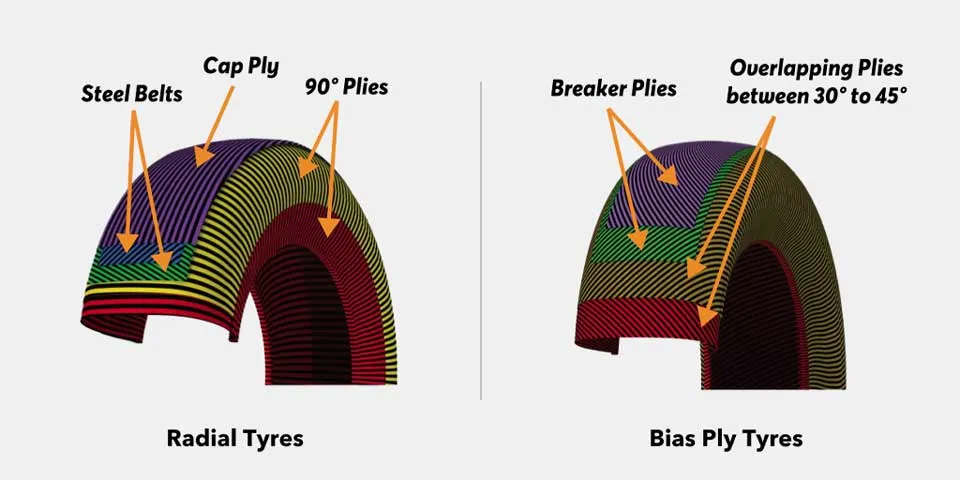
This type of tyre has been around since 1888. The tyres were invented by John Boyd Dunlop and were first used on a bicycle. The pneumatic design is constructed using a network of interlocking nylon cords, which are layered diagonally across each other at a 45-degree angle to the centre line of the wheel. Along with the tough outer rubber shell, their construction increases the strength and rigidity of the sidewalls. This makes the sidewalls more resistant to wear and tear. This is important for protecting the inner inflated tube which is made from a soft rubber and prevents air loss. If the tube gets punctured, it will result in a flat tyre.

The radial tyre

As mentioned above, radial tyres were introduced over half a century later as a more flexible alternative to their cross ply predecessors. They use steel cords instead of nylon ones, as well as steel belts to support the tread of the tyre. In a radial ply tyre, the cords overlap and are positioned at a 90-degree angle to the wheel’s centre line. The advantage of this design is that the flexibility and strength of the tyre allow it to absorb shocks and impacts more effectively, maintaining contact with the road and generating less heat. Moreover, this construction does not require an inner tube.

If your radial or cross ply tyres are badly punctured or the tread has been worn down, you can easily compare the prices of Michelin tyres and those from other popular brands online. Both types vary in complexity, but it may be possible to repair the tyre using either a sealant or cross ply repair patches, for example.

Radial vs Cross Ply

Cross ply tyres: advantages and disadvantages

  • High resistance to sidewall damage
  • Cheaper to produce
  • Improved vehicle stability in certain driving/working environments
  • Lower fuel efficiency
  • Reduced driving comfort due to tyre rigidity
  • Poor heat dissipation, causing the tyre to wear faster
  • A low speed rating, more likely to blow out at high speeds

Radial tyres: advantages and disadvantages

  • Improved road contact and vehicle handling
  • Improved fuel efficiency
  • Improved driving comfort due to flexibility
  • A higher speed rating
  • Higher resistance to tread wear and less risk of a loss of traction
  • The sidewalls are more vulnerable to damage caused by collisions
  • Less effective at handling minor bumps in the road due to steel belt

Safety

Under no circumstances should you use tyres with two different constructions on the same axle. It is highly advisable to stick to one type of tyre for both axles for safety reasons related to vehicle stability and weight distribution. In cases where mixing tyres is unavoidable, it is recommended that cross ply tyres are fitted to the front axle and radial ones are fitted at the rear.

Making sure the tyre tread depth complies with safety regulations is also critical. If the tread is too worn, it could cause a loss of traction and result in an accident. This is especially dangerous in wet driving conditions. If you need to replace your tyres quickly and affordably, you can easily select and buy cheap car tyres online.

Related products

[et_products quantity=”9″ columns=”3″ columns_tab_port=”2″ columns_tab_land=”3″ category=”tires-and-related-products” carousel=”true” layout=”list” rows=”2″ navigation_position=”top-right” ajax=”true”]

How to change parking brake cable on MERCEDES W201

Changing the parking brake cable on a Mercedes-Benz W201, also known as the Mercedes 190, can be a complex job and may require some mechanical expertise. The following steps provide a general overview of how to replace the parking brake cable on a Mercedes W201. Keep in mind that specific procedures and requirements may vary depending on the model year and variant of your Mercedes, and it’s essential to consult your vehicle’s service manual for precise instructions. If you’re not confident in your mechanical skills, it’s advisable to seek professional assistance.

Tools and Materials You May Need:

  • New parking brake cable
  • Vehicle jack and jack stands
  • Wrenches and sockets
  • Pliers
  • Screwdrivers
  • Brake cable tensioning tool
  • Replacement grommets or clips (if necessary)
  • Brake cleaner
  • Rust penetrant
  • Safety equipment (gloves, safety glasses)

Procedure:

  1. Safety Precautions:
    • Ensure the vehicle is on a flat and stable surface.
    • Engage the parking brake and block the vehicle’s wheels to prevent it from rolling.
    • Wear appropriate safety gear, including gloves and safety glasses.
  2. Lift the Vehicle:
    • Use a vehicle jack to lift the rear of the vehicle and secure it with jack stands.
  3. Access the Cable:
    • Locate the parking brake cable under the vehicle. Depending on your vehicle’s configuration, you may need to remove underbody panels or covers to access the cable.
  4. Release Tension:
    • Release the tension on the parking brake cable by loosening the adjusting nut or bolt at the handbrake lever inside the vehicle’s cabin.
  5. Disconnect the Cable:
    • Disconnect the parking brake cable from the rear brake calipers or drums. This may involve removing retaining clips or fasteners.
  6. Remove Old Cable:
    • Trace the cable’s path and remove any clips or brackets that secure it to the vehicle’s chassis or body.
    • Carefully remove the old parking brake cable from its routing.
  7. Install New Cable:
    • Route the new parking brake cable through the same path as the old one.
    • Secure the cable in place with clips or brackets, and make sure it follows the original routing.
  8. Connect to Rear Brakes:
    • Reconnect the parking brake cable to the rear brake calipers or drums. Use new grommets or clips if necessary.
  9. Tension the Cable:
    • Use a brake cable tensioning tool to adjust the cable tension. Consult your service manual for the proper tensioning procedure.
  10. Test the Brake:
    • After connecting the cable, test the parking brake to ensure it engages and disengages correctly.
  11. Adjust the Handbrake Lever:
    • Adjust the handbrake lever inside the vehicle to the appropriate tension.
  12. Check for Proper Operation:
    • With the vehicle still safely raised on jack stands, ensure that the parking brake holds the vehicle securely in place.
  13. Lower the Vehicle:
    • Once you’re satisfied with the cable installation and parking brake function, carefully lower the vehicle to the ground.

This is a general overview of the process to change the parking brake cable on a Mercedes W201. However, the specific steps and cable routing may vary based on your vehicle’s configuration and model year. It’s crucial to consult the vehicle’s service manual or seek professional assistance for precise instructions.

How to change glass for wing mirror MERCEDES W201

Replacing the glass for the wing mirror on a Mercedes W201, also known as the Mercedes 190, can be a straightforward process. Here are the steps to guide you through the replacement:

Tools and Materials You May Need:

  • Replacement wing mirror glass
  • Flathead screwdriver
  • Heat gun or hairdryer (for warming the adhesive)
  • Razor blade or plastic trim tool
  • Cleaning solution and a soft cloth
  • Safety equipment (gloves, safety glasses)

Procedure:

  1. Safety Precautions:
    • Ensure the vehicle is parked safely, the engine is turned off, and the handbrake is engaged.
    • Wear safety gloves and glasses to protect your hands and eyes.
  2. Remove the Old Mirror Glass:
    • Gently insert a flathead screwdriver or a plastic trim tool between the old mirror glass and the plastic housing. Be cautious not to damage the plastic housing.
    • Apply gentle pressure and carefully pry the old mirror glass away from the housing.
  3. Warming the Adhesive:
    • If the mirror glass is firmly attached, you can use a heat gun or a hairdryer to warm the adhesive on the back of the mirror. This will make it easier to remove. Be cautious not to overheat the glass or housing.
    • Heat the adhesive by moving the heat source back and forth over the mirror’s surface. Do not focus the heat in one area for too long.
  4. Peel Off the Old Mirror Glass:
    • After warming the adhesive, use a razor blade or plastic trim tool to gently lift and peel away the old mirror glass. Be careful not to scratch the plastic housing.
  5. Clean the Housing:
    • Clean the plastic housing with a suitable cleaning solution and a soft cloth. Remove any remaining adhesive residue.
  6. Prepare the Replacement Glass:
    • Ensure the replacement mirror glass is clean and free of any dust or debris. You can wipe it with a clean, dry cloth to be sure.
  7. Attach the Replacement Glass:
    • Carefully position the replacement mirror glass onto the plastic housing, aligning the attachment points.
    • Press the glass firmly to adhere it to the housing. Apply even pressure to ensure proper adhesion.
  8. Final Inspection:
    • Carefully inspect the replacement mirror glass to ensure it’s securely attached and properly aligned within the housing.
  9. Test the Mirror:
    • From inside the vehicle, test the mirror’s functionality by adjusting it to ensure it provides a clear and accurate reflection.
  10. Adjust the Mirror Position:
    • Adjust the mirror to the desired position for optimal visibility.

Changing the mirror glass for the wing mirror on a Mercedes W201 is typically a straightforward process. However, it’s essential to exercise caution to avoid damaging the plastic housing or the new mirror glass during the replacement. If you’re uncertain about performing this task, or if your vehicle has specific features that make the process more complicated, consider seeking professional assistance.

How to change glass for wing mirror MERCEDES W201

Replacing the glass for the wing mirror on a Mercedes W201, also known as the Mercedes 190, can be a straightforward process. Here are the steps to guide you through the replacement:

Tools and Materials You May Need:

  • Replacement wing mirror glass
  • Flathead screwdriver
  • Heat gun or hairdryer (for warming the adhesive)
  • Razor blade or plastic trim tool
  • Cleaning solution and a soft cloth
  • Safety equipment (gloves, safety glasses)

Procedure:

  1. Safety Precautions:
    • Ensure the vehicle is parked safely, the engine is turned off, and the handbrake is engaged.
    • Wear safety gloves and glasses to protect your hands and eyes.
  2. Remove the Old Mirror Glass:
    • Gently insert a flathead screwdriver or a plastic trim tool between the old mirror glass and the plastic housing. Be cautious not to damage the plastic housing.
    • Apply gentle pressure and carefully pry the old mirror glass away from the housing.
  3. Warming the Adhesive:
    • If the mirror glass is firmly attached, you can use a heat gun or a hairdryer to warm the adhesive on the back of the mirror. This will make it easier to remove. Be cautious not to overheat the glass or housing.
    • Heat the adhesive by moving the heat source back and forth over the mirror’s surface. Do not focus the heat in one area for too long.
  4. Peel Off the Old Mirror Glass:
    • After warming the adhesive, use a razor blade or plastic trim tool to gently lift and peel away the old mirror glass. Be careful not to scratch the plastic housing.
  5. Clean the Housing:
    • Clean the plastic housing with a suitable cleaning solution and a soft cloth. Remove any remaining adhesive residue.
  6. Prepare the Replacement Glass:
    • Ensure the replacement mirror glass is clean and free of any dust or debris. You can wipe it with a clean, dry cloth to be sure.
  7. Attach the Replacement Glass:
    • Carefully position the replacement mirror glass onto the plastic housing, aligning the attachment points.
    • Press the glass firmly to adhere it to the housing. Apply even pressure to ensure proper adhesion.
  8. Final Inspection:
    • Carefully inspect the replacement mirror glass to ensure it’s securely attached and properly aligned within the housing.
  9. Test the Mirror:
    • From inside the vehicle, test the mirror’s functionality by adjusting it to ensure it provides a clear and accurate reflection.
  10. Adjust the Mirror Position:
    • Adjust the mirror to the desired position for optimal visibility.

Changing the mirror glass for the wing mirror on a Mercedes W201 is typically a straightforward process. However, it’s essential to exercise caution to avoid damaging the plastic housing or the new mirror glass during the replacement. If you’re uncertain about performing this task, or if your vehicle has specific features that make the process more complicated, consider seeking professional assistance.

How to change auxiliary indicator on MERCEDES W201

Changing the auxiliary indicator (also known as a side marker light or corner light) on a Mercedes W201, or the Mercedes 190, can be a relatively simple procedure. Here are the general steps to guide you through the process:

Tools and Materials You May Need:

  • Replacement auxiliary indicator
  • Screwdriver or a socket set
  • Safety equipment (gloves, safety glasses)

Procedure:

  1. Safety Precautions:
    • Ensure the vehicle is parked safely, the engine is turned off, and the handbrake is engaged.
    • Wear safety gloves and glasses to protect your hands and eyes.
  2. Locate the Auxiliary Indicator:
    • Identify the location of the auxiliary indicator on your Mercedes W201. On most models, this is typically located on the front fender, near the wheel well.
  3. Access the Bulb Housing:
    • Depending on the specific design of your Mercedes 190, you may need to access the bulb housing from under the wheel well or by removing the inner fender liner. In some cases, you can access it directly from the engine bay.
  4. Remove the Bulb Housing:
    • Using a screwdriver or a socket set, carefully remove the screws or bolts securing the bulb housing in place.
  5. Disconnect the Wiring:
    • Gently disconnect the wiring harness connected to the auxiliary indicator. You may need to use a small flathead screwdriver to release any retaining clips.
  6. Remove the Old Indicator:
    • Carefully detach the old auxiliary indicator from the bulb housing. It may have clips or tabs that secure it in place.
  7. Install the New Indicator:
    • Align the new auxiliary indicator with the bulb housing and secure it by snapping it into place, making sure it fits securely.
  8. Reconnect the Wiring:
    • Reconnect the wiring harness to the new auxiliary indicator. Ensure it clicks or locks into place.
  9. Reattach the Bulb Housing:
    • Position the bulb housing back into place and secure it by reinserting and tightening the screws or bolts.
  10. Test the Indicator:
    • Turn on your vehicle’s lights to test the new auxiliary indicator. Make sure it functions correctly, including both the parking and turn signal functions.
  11. Adjust the Indicator Position:
    • If needed, adjust the new auxiliary indicator’s position to ensure it provides the proper angle and illumination.
  12. Final Inspection:
    • Carefully inspect the auxiliary indicator to ensure it is securely attached, properly aligned, and functions correctly.

Changing the auxiliary indicator on a Mercedes W201 is generally a straightforward procedure, but it’s important to follow these steps carefully to ensure proper installation and function. If you’re unsure about performing this task, or if your vehicle has specific features that make the process more complicated, consider seeking professional assistance.

How to change auxiliary indicator on MERCEDES W201

Changing the auxiliary indicator (also known as a side marker light or corner light) on a Mercedes W201, or the Mercedes 190, can be a relatively simple procedure. Here are the general steps to guide you through the process:

Tools and Materials You May Need:

  • Replacement auxiliary indicator
  • Screwdriver or a socket set
  • Safety equipment (gloves, safety glasses)

Procedure:

  1. Safety Precautions:
    • Ensure the vehicle is parked safely, the engine is turned off, and the handbrake is engaged.
    • Wear safety gloves and glasses to protect your hands and eyes.
  2. Locate the Auxiliary Indicator:
    • Identify the location of the auxiliary indicator on your Mercedes W201. On most models, this is typically located on the front fender, near the wheel well.
  3. Access the Bulb Housing:
    • Depending on the specific design of your Mercedes 190, you may need to access the bulb housing from under the wheel well or by removing the inner fender liner. In some cases, you can access it directly from the engine bay.
  4. Remove the Bulb Housing:
    • Using a screwdriver or a socket set, carefully remove the screws or bolts securing the bulb housing in place.
  5. Disconnect the Wiring:
    • Gently disconnect the wiring harness connected to the auxiliary indicator. You may need to use a small flathead screwdriver to release any retaining clips.
  6. Remove the Old Indicator:
    • Carefully detach the old auxiliary indicator from the bulb housing. It may have clips or tabs that secure it in place.
  7. Install the New Indicator:
    • Align the new auxiliary indicator with the bulb housing and secure it by snapping it into place, making sure it fits securely.
  8. Reconnect the Wiring:
    • Reconnect the wiring harness to the new auxiliary indicator. Ensure it clicks or locks into place.
  9. Reattach the Bulb Housing:
    • Position the bulb housing back into place and secure it by reinserting and tightening the screws or bolts.
  10. Test the Indicator:
    • Turn on your vehicle’s lights to test the new auxiliary indicator. Make sure it functions correctly, including both the parking and turn signal functions.
  11. Adjust the Indicator Position:
    • If needed, adjust the new auxiliary indicator’s position to ensure it provides the proper angle and illumination.
  12. Final Inspection:
    • Carefully inspect the auxiliary indicator to ensure it is securely attached, properly aligned, and functions correctly.

Changing the auxiliary indicator on a Mercedes W201 is generally a straightforward procedure, but it’s important to follow these steps carefully to ensure proper installation and function. If you’re unsure about performing this task, or if your vehicle has specific features that make the process more complicated, consider seeking professional assistance.

How Electric Cars Defeated Emissions

Electric cars or ‘green cars’, as they are popularly known, are leaving the fuel-powered cars far behind since they offer many advantages like low gasoline costs, comparatively low maintenance costs and ‘zero emission’ factor. Lacking any combustion engine, they are operated through batteries and electric motors. However, they, too, require to be looked after. Auto provides the best electric car services.

Read more “How Electric Cars Defeated Emissions”

Choosing a Car Repair Shop

In recent times, Bavarian Motor Works or, BMW has become the prominent brand in the luxury car segment. What exactly gives BMW the strategic advantage over its competitors? BMW centers on maintaining its products within the introduction and growth stages of the cycle. In fact, the Bavarians withdraw products from the market, as and when they move into the latter parts. The new products’ designs.

Read more “Choosing a Car Repair Shop”