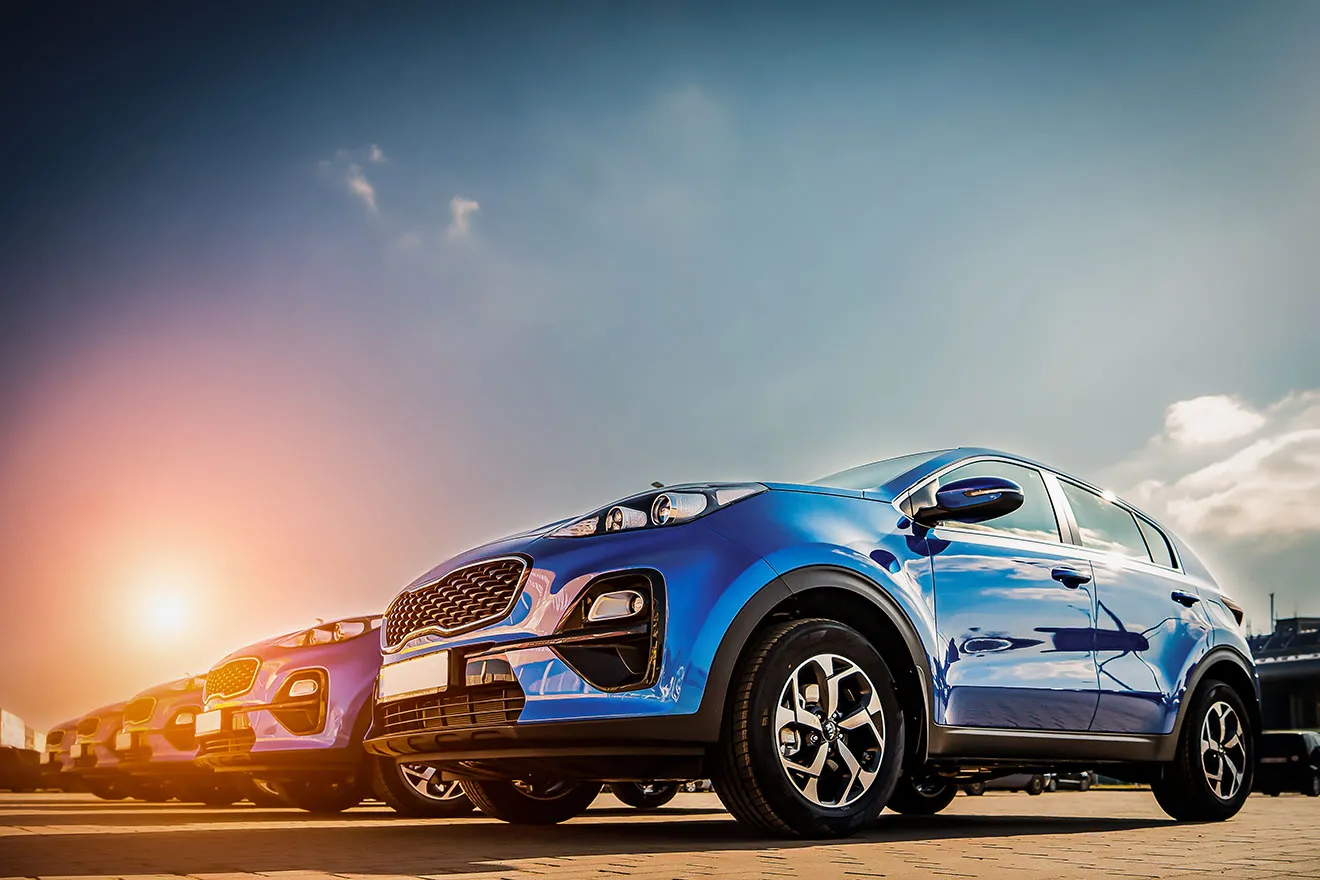
The number of new cars sold over 20 years


The number of new cars sold in the United States over a 20-year period can vary significantly depending on economic conditions, consumer preferences, and various other factors. I can provide you with historical data for new car sales in the United States up until my knowledge cutoff date in September 2021. However, please note that these figures are subject to change, and I recommend consulting more recent sources for up-to-date information.

Here’s a rough overview of new car sales in the United States over a 20-year period, from 2001 to 2020:

  1. 2001: Approximately 17.2 million new cars were sold.
  2. 2002: Approximately 16.8 million new cars were sold.
  3. 2003: Approximately 16.7 million new cars were sold.
  4. 2004: Approximately 16.9 million new cars were sold.
  5. 2005: Approximately 17 million new cars were sold.
  6. 2006: Approximately 16.5 million new cars were sold.
  7. 2007: Approximately 16.1 million new cars were sold.
  8. 2008: Approximately 13.2 million new cars were sold (a notable decrease due to the global financial crisis).
  9. 2009: Approximately 10.4 million new cars were sold (another decrease during the financial crisis).
  10. 2010: Approximately 11.6 million new cars were sold.
  11. 2011: Approximately 12.8 million new cars were sold.
  12. 2012: Approximately 14.5 million new cars were sold.
  13. 2013: Approximately 15.6 million new cars were sold.
  14. 2014: Approximately 16.5 million new cars were sold.
  15. 2015: Approximately 17.5 million new cars were sold.
  16. 2016: Approximately 17.6 million new cars were sold.
  17. 2017: Approximately 17.2 million new cars were sold.
  18. 2018: Approximately 17.3 million new cars were sold.
  19. 2019: Approximately 17 million new cars were sold.
  20. 2020: Approximately 14.5 million new cars were sold (a decrease due to the COVID-19 pandemic).

Please note that these figures are approximate and represent the total number of new cars sold in the United States for each respective year. The annual sales figures can fluctuate due to various economic and market factors. For the most current and accurate data, it’s recommended to consult the latest reports and statistics from relevant sources like the U.S. Bureau of Economic Analysis or industry associations.
The number of new cars sold over 20 years


The number of new cars sold in the United States over a 20-year period can vary significantly depending on economic conditions, consumer preferences, and various other factors. I can provide you with historical data for new car sales in the United States up until my knowledge cutoff date in September 2021. However, please note that these figures are subject to change, and I recommend consulting more recent sources for up-to-date information.

Here’s a rough overview of new car sales in the United States over a 20-year period, from 2001 to 2020:

  1. 2001: Approximately 17.2 million new cars were sold.
  2. 2002: Approximately 16.8 million new cars were sold.
  3. 2003: Approximately 16.7 million new cars were sold.
  4. 2004: Approximately 16.9 million new cars were sold.
  5. 2005: Approximately 17 million new cars were sold.
  6. 2006: Approximately 16.5 million new cars were sold.
  7. 2007: Approximately 16.1 million new cars were sold.
  8. 2008: Approximately 13.2 million new cars were sold (a notable decrease due to the global financial crisis).
  9. 2009: Approximately 10.4 million new cars were sold (another decrease during the financial crisis).
  10. 2010: Approximately 11.6 million new cars were sold.
  11. 2011: Approximately 12.8 million new cars were sold.
  12. 2012: Approximately 14.5 million new cars were sold.
  13. 2013: Approximately 15.6 million new cars were sold.
  14. 2014: Approximately 16.5 million new cars were sold.
  15. 2015: Approximately 17.5 million new cars were sold.
  16. 2016: Approximately 17.6 million new cars were sold.
  17. 2017: Approximately 17.2 million new cars were sold.
  18. 2018: Approximately 17.3 million new cars were sold.
  19. 2019: Approximately 17 million new cars were sold.
  20. 2020: Approximately 14.5 million new cars were sold (a decrease due to the COVID-19 pandemic).

Please note that these figures are approximate and represent the total number of new cars sold in the United States for each respective year. The annual sales figures can fluctuate due to various economic and market factors. For the most current and accurate data, it’s recommended to consult the latest reports and statistics from relevant sources like the U.S. Bureau of Economic Analysis or industry associations.
Warning lights indicating activation of various systems


Warning lights in a car’s dashboard indicate the activation of various systems or alert the driver to potential issues. These lights serve as a vital part of a car’s safety and diagnostic system. While the specific symbols and lights can vary by make and model, here are some common warning lights and their meanings:

  1. Check Engine Light (CEL): This light indicates a problem with the engine or its emissions system. It can range from minor issues to serious problems.
  2. Battery Light: This light warns you of a problem with your vehicle’s charging system, typically related to the battery or alternator.
  3. Oil Pressure Light: This light indicates low oil pressure, which could be due to low oil levels or a problem with the oil pump.
  4. Brake System Warning Light: This light can indicate low brake fluid, problems with the brake system, or that the parking brake is engaged.
  5. ABS (Anti-lock Braking System) Light: If this light is on, it indicates a problem with the ABS system, which can affect your vehicle’s ability to stop safely.
  6. Tire Pressure Monitoring System (TPMS) Light: This light indicates that one or more tires have low pressure, which can affect your vehicle’s handling and fuel efficiency.
  7. Airbag Warning Light: If this light is on, it suggests a problem with the vehicle’s airbag system, which may not deploy in the event of a collision.
  8. Coolant Temperature Warning Light: This light indicates that the engine is running too hot, which can lead to engine damage if not addressed.
  9. Transmission Temperature Light: If your vehicle is equipped with a transmission temperature warning, it will alert you to overheating transmission fluid.
  10. Power Steering Warning Light: This light indicates a problem with the power steering system, which can make steering more difficult.
  11. ESP (Electronic Stability Program) or ESC (Electronic Stability Control) Light: This light indicates a problem with the vehicle’s stability control system, which helps maintain control in slippery conditions.
  12. Fuel Warning Light: This light lets you know that your fuel level is low and you should refuel soon.
  13. Glow Plug Light (Diesel Engines): This light is specific to diesel engines and indicates when the glow plugs are in operation during cold starts.
  14. Cruise Control Light: This light indicates that the cruise control system is engaged and active.
  15. Seat Belt Warning Light: This light reminds you to fasten your seat belt for safety.
  16. Lane Departure Warning Light: This light is part of the lane departure warning system, alerting you when your vehicle drifts out of its lane without signaling.
  17. Adaptive Headlight System Warning Light: This light indicates an issue with the adaptive headlight system that adjusts the direction of the headlights based on steering input.

Please note that the symbols and their meanings can vary between car manufacturers and models. It’s essential to consult your vehicle’s owner’s manual to understand the specific warning lights for your car and how to respond when they illuminate. Ignoring warning lights can lead to further damage or pose safety risks. If a warning light comes on, it’s generally a good practice to have your vehicle inspected by a qualified mechanic.

Warning lights indicating activation of various systems


Warning lights in a car’s dashboard indicate the activation of various systems or alert the driver to potential issues. These lights serve as a vital part of a car’s safety and diagnostic system. While the specific symbols and lights can vary by make and model, here are some common warning lights and their meanings:

  1. Check Engine Light (CEL): This light indicates a problem with the engine or its emissions system. It can range from minor issues to serious problems.
  2. Battery Light: This light warns you of a problem with your vehicle’s charging system, typically related to the battery or alternator.
  3. Oil Pressure Light: This light indicates low oil pressure, which could be due to low oil levels or a problem with the oil pump.
  4. Brake System Warning Light: This light can indicate low brake fluid, problems with the brake system, or that the parking brake is engaged.
  5. ABS (Anti-lock Braking System) Light: If this light is on, it indicates a problem with the ABS system, which can affect your vehicle’s ability to stop safely.
  6. Tire Pressure Monitoring System (TPMS) Light: This light indicates that one or more tires have low pressure, which can affect your vehicle’s handling and fuel efficiency.
  7. Airbag Warning Light: If this light is on, it suggests a problem with the vehicle’s airbag system, which may not deploy in the event of a collision.
  8. Coolant Temperature Warning Light: This light indicates that the engine is running too hot, which can lead to engine damage if not addressed.
  9. Transmission Temperature Light: If your vehicle is equipped with a transmission temperature warning, it will alert you to overheating transmission fluid.
  10. Power Steering Warning Light: This light indicates a problem with the power steering system, which can make steering more difficult.
  11. ESP (Electronic Stability Program) or ESC (Electronic Stability Control) Light: This light indicates a problem with the vehicle’s stability control system, which helps maintain control in slippery conditions.
  12. Fuel Warning Light: This light lets you know that your fuel level is low and you should refuel soon.
  13. Glow Plug Light (Diesel Engines): This light is specific to diesel engines and indicates when the glow plugs are in operation during cold starts.
  14. Cruise Control Light: This light indicates that the cruise control system is engaged and active.
  15. Seat Belt Warning Light: This light reminds you to fasten your seat belt for safety.
  16. Lane Departure Warning Light: This light is part of the lane departure warning system, alerting you when your vehicle drifts out of its lane without signaling.
  17. Adaptive Headlight System Warning Light: This light indicates an issue with the adaptive headlight system that adjusts the direction of the headlights based on steering input.

Please note that the symbols and their meanings can vary between car manufacturers and models. It’s essential to consult your vehicle’s owner’s manual to understand the specific warning lights for your car and how to respond when they illuminate. Ignoring warning lights can lead to further damage or pose safety risks. If a warning light comes on, it’s generally a good practice to have your vehicle inspected by a qualified mechanic.

What to know about changing the engine oil and oil filters

Changing the engine oil and oil filter is a crucial part of regular vehicle maintenance. Here’s what you need to know about this process:

1. Importance of Regular Oil Changes:

  • Engine oil lubricates and cools the engine’s moving parts, reducing friction and preventing wear and tear.
  • Over time, engine oil degrades, becomes contaminated, and loses its effectiveness. Regular oil changes are essential to maintain engine performance and longevity.

2. Recommended Oil Change Intervals:

  • The recommended oil change interval varies depending on the vehicle make and model, driving conditions, and the type of oil used. Consult your vehicle’s owner’s manual for specific guidelines.
  • In general, conventional oil should be changed every 3,000 to 5,000 miles (4,800 to 8,000 kilometers), while synthetic oil can often last up to 7,500 to 10,000 miles (12,000 to 16,000 kilometers) or more.

3. Gather Necessary Tools and Supplies:

  • To change the engine oil and oil filter, you’ll need the following:
    • New engine oil of the correct type and quantity (consult your owner’s manual).
    • A new oil filter.
    • An oil filter wrench.
    • A drain pan.
    • A socket set or wrench.
    • A funnel.
    • Disposable gloves.
    • Rags or paper towels.

4. Safety Precautions:

  • Make sure the engine is cool before starting. Hot oil can cause burns.
  • Ensure the vehicle is on a level surface.
  • Use safety stands if you need to access the vehicle’s underside.

5. The Oil Change Process:

  • Locate the oil drain plug beneath the engine. Place the drain pan underneath it.
  • Loosen the drain plug using a socket or wrench and let the old oil drain into the pan.
  • Remove the old oil filter using an oil filter wrench, allowing any remaining oil to drain into the pan.
  • Apply a small amount of fresh oil to the rubber gasket of the new oil filter.
  • Screw the new oil filter into place by hand. Tighten it according to the manufacturer’s recommendations.
  • Replace the drain plug and tighten it securely.
  • Use a funnel to pour the new engine oil into the engine.
  • Check the oil level on the dipstick to ensure it’s at the correct level.
  • Properly dispose of the old oil and oil filter at a recycling center or an auto parts store that accepts used oil.

6. Maintenance Records:

  • Keep records of your oil changes, including the date, mileage, and type of oil used. This helps you track your maintenance schedule and can be valuable when selling your vehicle.

7. Professional Service:

  • If you’re not comfortable performing an oil change yourself, consider taking your vehicle to a qualified mechanic or an oil change service center.

Regular oil and oil filter changes are essential for the health and longevity of your engine. Neglecting this maintenance can lead to reduced engine performance, increased fuel consumption, and potentially costly engine damage. Be sure to follow the recommended oil change intervals for your specific vehicle and use the correct type and quantity of oil.

What to know about changing the engine oil and oil filters

Changing the engine oil and oil filter is a crucial part of regular vehicle maintenance. Here’s what you need to know about this process:

1. Importance of Regular Oil Changes:

  • Engine oil lubricates and cools the engine’s moving parts, reducing friction and preventing wear and tear.
  • Over time, engine oil degrades, becomes contaminated, and loses its effectiveness. Regular oil changes are essential to maintain engine performance and longevity.

2. Recommended Oil Change Intervals:

  • The recommended oil change interval varies depending on the vehicle make and model, driving conditions, and the type of oil used. Consult your vehicle’s owner’s manual for specific guidelines.
  • In general, conventional oil should be changed every 3,000 to 5,000 miles (4,800 to 8,000 kilometers), while synthetic oil can often last up to 7,500 to 10,000 miles (12,000 to 16,000 kilometers) or more.

3. Gather Necessary Tools and Supplies:

  • To change the engine oil and oil filter, you’ll need the following:
    • New engine oil of the correct type and quantity (consult your owner’s manual).
    • A new oil filter.
    • An oil filter wrench.
    • A drain pan.
    • A socket set or wrench.
    • A funnel.
    • Disposable gloves.
    • Rags or paper towels.

4. Safety Precautions:

  • Make sure the engine is cool before starting. Hot oil can cause burns.
  • Ensure the vehicle is on a level surface.
  • Use safety stands if you need to access the vehicle’s underside.

5. The Oil Change Process:

  • Locate the oil drain plug beneath the engine. Place the drain pan underneath it.
  • Loosen the drain plug using a socket or wrench and let the old oil drain into the pan.
  • Remove the old oil filter using an oil filter wrench, allowing any remaining oil to drain into the pan.
  • Apply a small amount of fresh oil to the rubber gasket of the new oil filter.
  • Screw the new oil filter into place by hand. Tighten it according to the manufacturer’s recommendations.
  • Replace the drain plug and tighten it securely.
  • Use a funnel to pour the new engine oil into the engine.
  • Check the oil level on the dipstick to ensure it’s at the correct level.
  • Properly dispose of the old oil and oil filter at a recycling center or an auto parts store that accepts used oil.

6. Maintenance Records:

  • Keep records of your oil changes, including the date, mileage, and type of oil used. This helps you track your maintenance schedule and can be valuable when selling your vehicle.

7. Professional Service:

  • If you’re not comfortable performing an oil change yourself, consider taking your vehicle to a qualified mechanic or an oil change service center.

Regular oil and oil filter changes are essential for the health and longevity of your engine. Neglecting this maintenance can lead to reduced engine performance, increased fuel consumption, and potentially costly engine damage. Be sure to follow the recommended oil change intervals for your specific vehicle and use the correct type and quantity of oil.

Why diesel is losing its popularity in Europe

Diesel is losing popularity in Europe for several reasons, and this trend has been ongoing for several years. Some of the key factors contributing to the decline in diesel’s popularity in Europe include:

  1. Environmental Concerns: Diesel engines produce more harmful nitrogen oxides (NOx) and particulate matter compared to gasoline engines. As concerns about air quality and environmental issues have grown, many European cities have imposed stricter emissions standards and regulations. In response to these concerns, governments have imposed higher taxes and stricter emissions regulations on diesel vehicles, making them less attractive to consumers.
  2. Emissions Scandals: The “Dieselgate” scandal involving Volkswagen in 2015 revealed widespread cheating on emissions tests by some manufacturers. This eroded trust in the automotive industry and further tarnished diesel’s reputation.
  3. Market Shift Towards Electric Vehicles (EVs): Many European countries and cities are pushing for the adoption of electric vehicles to combat pollution and reduce greenhouse gas emissions. Incentives, rebates, and infrastructure development have made EVs more attractive, and consumers are increasingly choosing them over diesel-powered vehicles.
  4. Fuel Taxes: Diesel fuel is often subject to higher taxes than gasoline in many European countries. This makes diesel vehicles less cost-effective for consumers who are price-sensitive.
  5. City Access Restrictions: Many European cities have introduced low-emission zones or restrictions on older, more polluting vehicles. Diesel vehicles, especially older ones, often fall into the category of vehicles restricted or banned from city centers.
  6. Improvements in Gasoline Engines: Gasoline engines have become more fuel-efficient and have caught up to diesel in terms of fuel economy, reducing one of the advantages traditionally associated with diesel vehicles.
  7. Technology Advancements: Hybrid and plug-in hybrid technology has become more prevalent and offers a transition between traditional internal combustion engines and fully electric vehicles. These technologies provide consumers with options beyond diesel.
  8. Resale Value Concerns: Diesel vehicles often have lower resale values due to concerns about future regulatory changes and the perception that they are less desirable.
  9. Public Perception: Diesel has developed a negative public image, with many consumers associating it with pollution and environmental harm.
  10. Changing Government Policies: Governments in Europe have been shifting their policies to promote cleaner and more sustainable transportation, often at the expense of diesel.

It’s important to note that while diesel has lost popularity, it hasn’t disappeared entirely. Diesel engines still have their applications in some commercial vehicles, such as trucks and certain types of machinery, where their fuel efficiency and torque make them more suitable. However, in the passenger car market, the shift away from diesel is clear, with consumers and governments favoring cleaner and more sustainable transportation options.

Why diesel is losing its popularity in Europe

Diesel is losing popularity in Europe for several reasons, and this trend has been ongoing for several years. Some of the key factors contributing to the decline in diesel’s popularity in Europe include:

  1. Environmental Concerns: Diesel engines produce more harmful nitrogen oxides (NOx) and particulate matter compared to gasoline engines. As concerns about air quality and environmental issues have grown, many European cities have imposed stricter emissions standards and regulations. In response to these concerns, governments have imposed higher taxes and stricter emissions regulations on diesel vehicles, making them less attractive to consumers.
  2. Emissions Scandals: The “Dieselgate” scandal involving Volkswagen in 2015 revealed widespread cheating on emissions tests by some manufacturers. This eroded trust in the automotive industry and further tarnished diesel’s reputation.
  3. Market Shift Towards Electric Vehicles (EVs): Many European countries and cities are pushing for the adoption of electric vehicles to combat pollution and reduce greenhouse gas emissions. Incentives, rebates, and infrastructure development have made EVs more attractive, and consumers are increasingly choosing them over diesel-powered vehicles.
  4. Fuel Taxes: Diesel fuel is often subject to higher taxes than gasoline in many European countries. This makes diesel vehicles less cost-effective for consumers who are price-sensitive.
  5. City Access Restrictions: Many European cities have introduced low-emission zones or restrictions on older, more polluting vehicles. Diesel vehicles, especially older ones, often fall into the category of vehicles restricted or banned from city centers.
  6. Improvements in Gasoline Engines: Gasoline engines have become more fuel-efficient and have caught up to diesel in terms of fuel economy, reducing one of the advantages traditionally associated with diesel vehicles.
  7. Technology Advancements: Hybrid and plug-in hybrid technology has become more prevalent and offers a transition between traditional internal combustion engines and fully electric vehicles. These technologies provide consumers with options beyond diesel.
  8. Resale Value Concerns: Diesel vehicles often have lower resale values due to concerns about future regulatory changes and the perception that they are less desirable.
  9. Public Perception: Diesel has developed a negative public image, with many consumers associating it with pollution and environmental harm.
  10. Changing Government Policies: Governments in Europe have been shifting their policies to promote cleaner and more sustainable transportation, often at the expense of diesel.

It’s important to note that while diesel has lost popularity, it hasn’t disappeared entirely. Diesel engines still have their applications in some commercial vehicles, such as trucks and certain types of machinery, where their fuel efficiency and torque make them more suitable. However, in the passenger car market, the shift away from diesel is clear, with consumers and governments favoring cleaner and more sustainable transportation options.

The future of factories in coming years develops strongly.

The key to the success of any logistics contract is good logistics management. The key to good management is the ability to identify the needs of the client and the countries in which the work will take place, as well as being in a position to advise the best way forward. In today’s international and remote locations, experience and understanding of logistics operations and local networks is vital. With the many years of experience in our team, we have a detailed understanding of the criticality or every aspect of the logistics world.

Focus can provide logistics personnel to meet the needs of your company or portfolio. From logistics managers to warehousemen, logistics controllers to transport coordinators, we can assist you. We provide personnel for one-off portfolio as well as long or short-term agency personnel, assist in the recruitment of permanent staff, or we can manage your logistics department for you.

When travelling to a foreign country, most people are nervous of the obstacles that will be there for them to overcome. When a full marine crew travels en-mass to a vessel mobilisation, it is imperative that they arrive on time and safely, especially in a remote location.

Focus provides meet-and-greet facilities through our network of specialist companies. From hotel reservations and taxi arrangements to a full pick-up facility, with or without armed guards, this can be arranged.

CSS is designed to keep your content readable. Let’s explore situations in which you might encounter overflow in your web designs and how CSS has evolved to create better ways.

– Sophie Brown

Ever had a last minute requirement for items to be in a country where you do not have a visa to enter? Are you frustrated at having to hand-carry important documents to your client, which takes you out of the office for days? Let Focus help you. Our personnel are available 24-hours-a-day for these important deliveries. This leaves you free to concentrate on your business.

Cargo flow through better supply chain visibility.

The key to the success of any logistics contract is good logistics management. The key to good management is the ability to identify the needs of the client and the countries in which the work will take place, as well as being in a position to advise the best way forward. In today’s international and remote locations, experience and understanding of logistics operations and local networks is vital. With the many years of experience in our team, we have a detailed understanding of the criticality or every aspect of the logistics world.

Focus can provide logistics personnel to meet the needs of your company or portfolio. From logistics managers to warehousemen, logistics controllers to transport coordinators, we can assist you. We provide personnel for one-off portfolio as well as long or short-term agency personnel, assist in the recruitment of permanent staff, or we can manage your logistics department for you.

When travelling to a foreign country, most people are nervous of the obstacles that will be there for them to overcome. When a full marine crew travels en-mass to a vessel mobilisation, it is imperative that they arrive on time and safely, especially in a remote location.

Focus provides meet-and-greet facilities through our network of specialist companies. From hotel reservations and taxi arrangements to a full pick-up facility, with or without armed guards, this can be arranged.

CSS is designed to keep your content readable. Let’s explore situations in which you might encounter overflow in your web designs and how CSS has evolved to create better ways.

– Sophie Brown

Ever had a last minute requirement for items to be in a country where you do not have a visa to enter? Are you frustrated at having to hand-carry important documents to your client, which takes you out of the office for days? Let Focus help you. Our personnel are available 24-hours-a-day for these important deliveries. This leaves you free to concentrate on your business.